What Is Personal Care Assistance and Who Is It For?
Personal care assistance helps people stay safe, comfortable, and supported with daily routines at home while giving families more peace of mind.
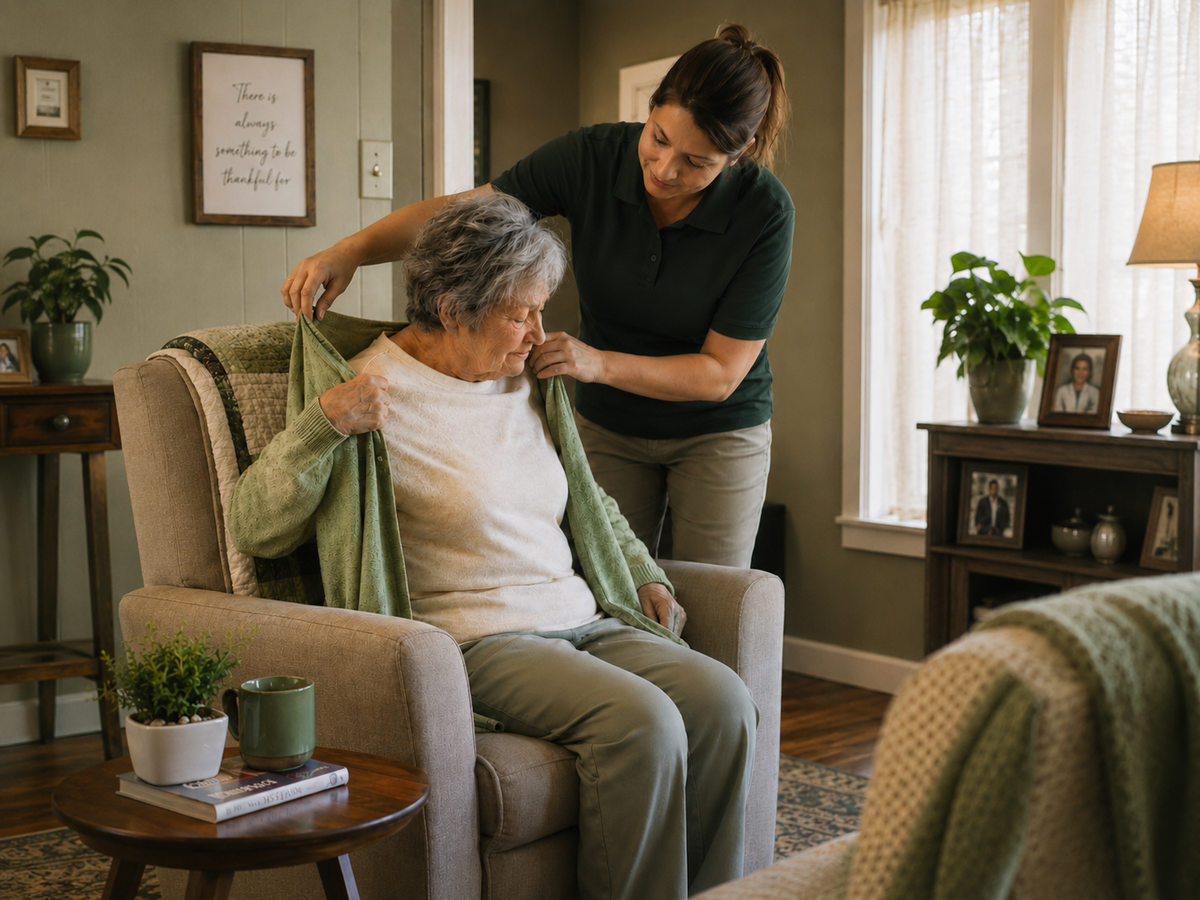
Daily routines can become harder with age, illness, disability, recovery, or changes in mobility. Tasks that once felt simple, like getting dressed, bathing safely, moving from one room to another, or preparing for the day, may begin to require more time, energy, or support.
For many families, these changes can be emotional. A loved one may want to stay independent, while family members worry about safety, comfort, and dignity.
That is where personal care assistance can help.
Personal care assistance provides respectful, hands-on support with everyday routines so a person can continue living at home with more confidence, safety, and comfort.
“Personal care is not just about helping with daily tasks. It is about protecting dignity, comfort, and independence at home.”
What Does Personal Care Assistance Mean?
Personal care assistance is non-medical support with daily activities that are important for health, comfort, safety, and quality of life.
This may include help with bathing, dressing, eating, toileting, transferring, walking, grooming, and other personal routines. The goal is not to take over everything. The goal is to provide the right level of support while allowing your loved one to do as much as they safely can.
For some people, that may mean light support or standby assistance. For others, it may mean more hands-on help throughout the day.
The best personal care feels respectful, calm, and centered around the person receiving care.
Who Is Personal Care Assistance For?
Personal care assistance can support many different people and families.
It may be helpful for an aging parent who is beginning to need help with bathing or dressing. It may support someone recovering after surgery or illness. It can also help individuals with mobility challenges, developmental differences, chronic conditions, memory changes, or anyone who needs extra help with daily living at home.
Families often begin considering personal care when they notice that simple routines are becoming stressful, unsafe, or difficult to manage alone.
The need for support does not always happen suddenly. Sometimes it starts with small changes.
Signs Your Loved One May Need Personal Care Support
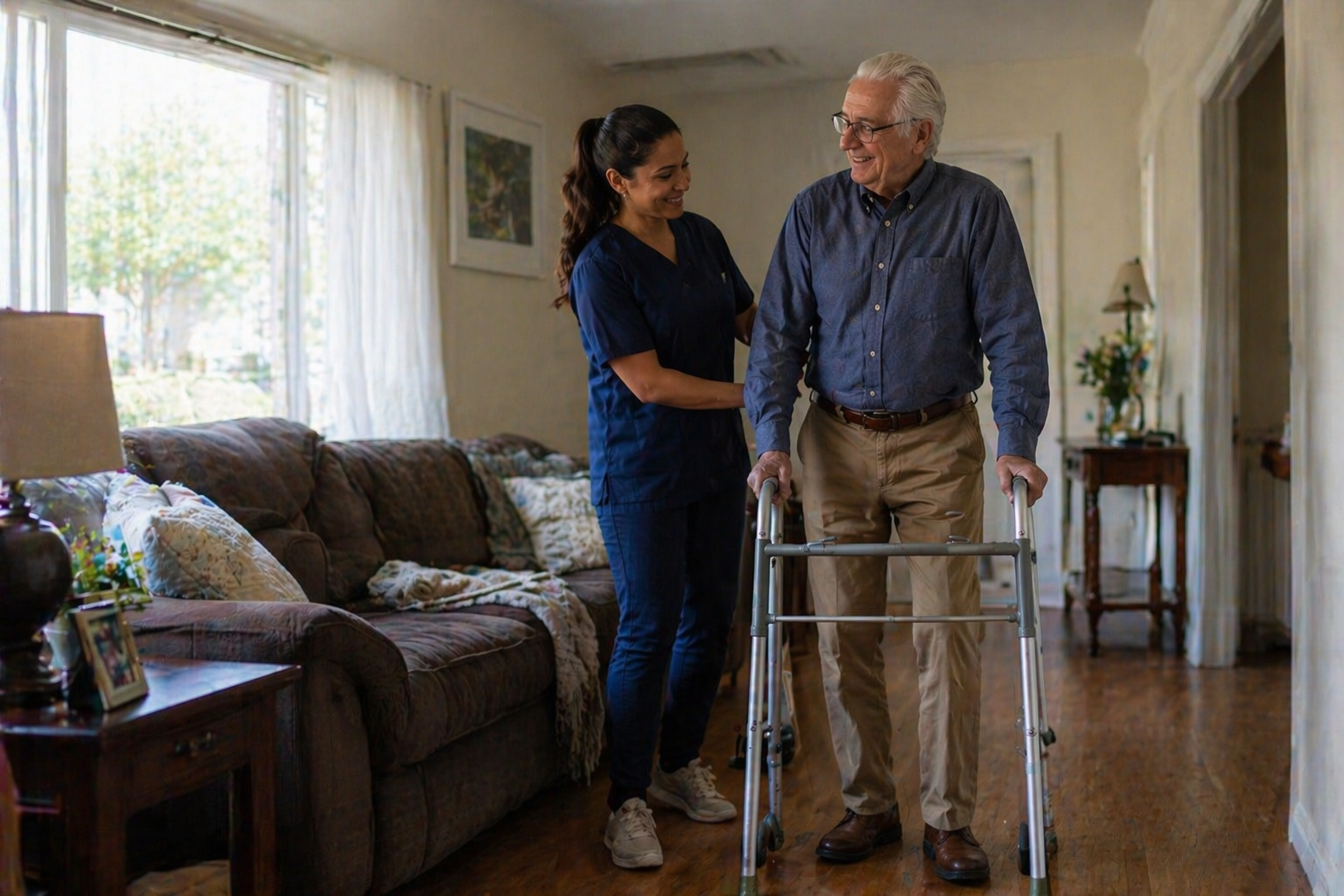
Families may notice that a loved one is wearing the same clothes often, avoiding bathing, moving more slowly, skipping meals, or becoming nervous about walking alone.
There may also be changes in balance, hygiene, energy, or confidence. Some loved ones begin asking for help more often. Others may try to hide that daily routines have become difficult because they do not want to feel like a burden.
These signs do not mean independence is gone. They may simply mean that the right support is needed to help your loved one continue living safely and comfortably at home.
Noticing changes in daily routines?
LiveWell can help your family understand what kind of personal care support may be right for your loved one.
What Personal Care Can Look Like at Home
Personal care support should fit naturally into the person’s day.
A caregiver may help your loved one get ready in the morning, move safely from bed to chair, prepare for bathing, choose comfortable clothing, use the restroom safely, eat a meal, or walk through the home with steady support.
For many families, this kind of help brings relief. It reduces the pressure on one family member to manage everything and creates a more dependable care routine.
Most importantly, it helps your loved one feel seen, respected, and supported in the place they know best: home.
Why Dignity Matters in Personal Care
Personal care can feel sensitive because it involves private routines. That is why the way care is provided matters.
A thoughtful caregiver does more than complete a task. They communicate gently, give the person time, respect personal preferences, and make sure the care experience feels safe rather than rushed.
Small things matter. Asking before helping. Keeping routines familiar. Allowing choice where possible. Speaking with patience. Protecting privacy.
These details help personal care feel less like losing independence and more like receiving support with dignity.
How Personal Care Helps Families Too
When a loved one needs daily support, family members often step in first. That support comes from love, but over time, it can become physically and emotionally demanding.
Personal care assistance can help families share the responsibility. It gives loved ones dependable care while giving family members time to rest, work, manage other responsibilities, or simply return to being a son, daughter, spouse, or sibling again.
Care is easier to sustain when the family is supported too.
How LiveWell Supports Personal Care at Home
LiveWell provides personal care support designed around the needs, routines, and comfort of each person and family.
Support may include help with eating, bathing, dressing, toileting, transferring, walking, and other daily routines. Whether your family needs a few hours of help or more consistent support, the right care plan can make home feel safer and more manageable.
Personal care is not about doing everything for your loved one. It is about helping them continue each day with more confidence, dignity, and peace of mind.
Personal Care Assistance
Support daily routines with comfort and dignity.
LiveWell helps families create thoughtful care plans for loved ones who need support with everyday personal care at home.
Frequently Asked Questions About Personal Care Assistance
Here are a few common questions families ask when considering personal care support at home.
What is personal care assistance? ⌄
Personal care assistance is non-medical support with daily routines such as bathing, dressing, eating, toileting, transferring, walking, grooming, and other everyday needs.
Who needs personal care assistance? ⌄
Personal care may be helpful for older adults, people recovering from surgery or illness, individuals with mobility challenges, loved ones with disabilities, or anyone who needs extra support with daily living at home.
Does personal care mean my loved one loses independence? ⌄
No. Personal care assistance is meant to support independence, not replace it. A caregiver can help with the parts of a routine that are difficult while encouraging your loved one to do what they safely can.
What tasks can a personal care caregiver help with? ⌄
A caregiver may help with bathing, dressing, eating, toileting, walking, transferring from one position to another, grooming, companionship, and other daily routines depending on the care plan.
When should a family consider personal care support? ⌄
Families should consider support when daily routines become difficult, unsafe, stressful, or overwhelming for the person receiving care or for the family members helping them.