Post-Op Care at Home: What Families Should Prepare For
Preparing for surgery recovery? Learn how to plan for home care, mobility, meals, safety, and caregiver support for a smoother recovery.
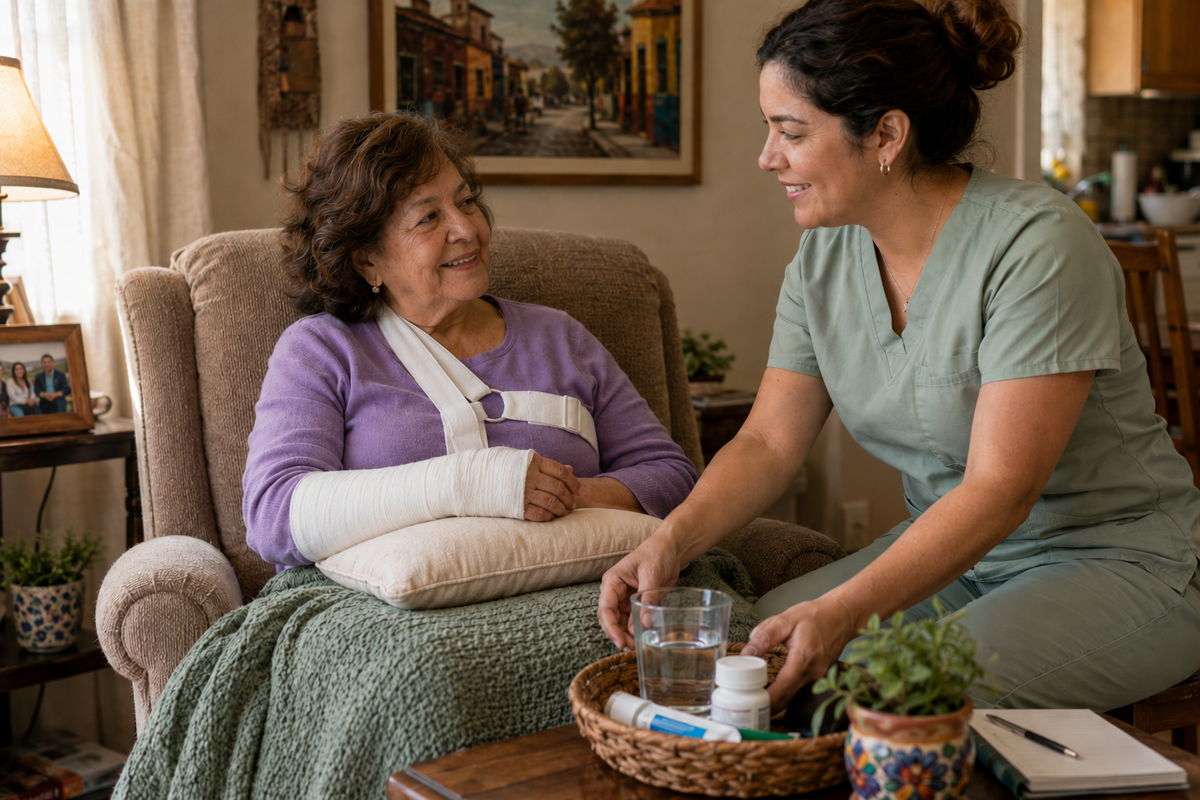
Coming home after surgery can feel like a relief. Your loved one is back in a familiar space, surrounded by family, comfort, and routine.
But the first few days and weeks after surgery can also feel overwhelming.
There may be new instructions to follow, movement limitations, medications to keep track of, meals to prepare, follow-up appointments to schedule, and small daily tasks that suddenly feel more difficult. For many families, the question becomes: What do we need to have ready before they come home?
Post-op care at home is about creating a safe, calm, and supportive recovery environment. It does not replace medical care. Instead, it helps your loved one follow their recovery plan while receiving practical help with daily life.
“Recovery feels easier when the home is prepared, the routine is clear, and your loved one does not have to manage everything alone.”
Start With the Discharge Instructions
Before your loved one leaves the hospital or surgical center, make sure the family understands the discharge instructions. These instructions may include information about medications, wound care, bathing, movement, diet, follow-up appointments, and symptoms to watch for.
It can help to have one family member write down the most important details or keep the paperwork in one easy-to-find place. If anything is unclear, ask the care team before leaving.
This is also the right time to confirm what your loved one should avoid during recovery, such as driving, lifting, bending, climbing stairs, or returning to normal activity too soon.
Prepare the Home Before They Arrive
A safe home setup can make recovery feel much less stressful.
Start by clearing walkways, removing loose rugs, placing frequently used items within easy reach, and making sure there is good lighting at night. If possible, set up a comfortable recovery area near a bathroom and close to food, water, a phone, medications, and the discharge paperwork.
Small changes can make a big difference. A chair with arms may make sitting and standing easier. A bedside table can keep essentials nearby. A simple meal plan can reduce the pressure on everyone during the first few days.
The goal is to reduce unnecessary movement and make the home feel calm, organized, and safe.
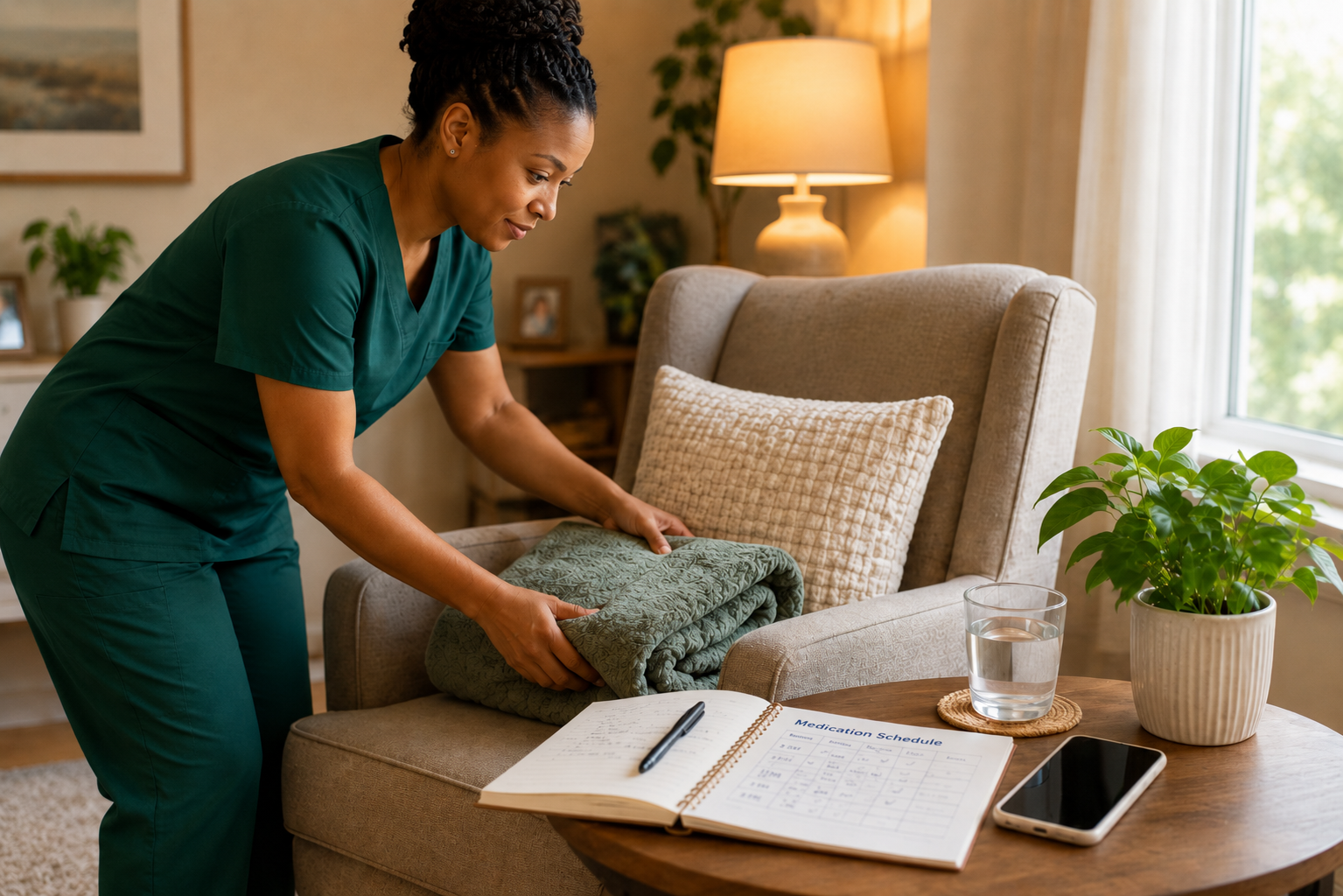
Plan for Help With Daily Routines
After surgery, even simple routines may take more energy. Your loved one may need help getting dressed, preparing meals, moving around the house, bathing safely, or keeping track of appointments and reminders.
This is where families often underestimate the level of support needed.
Someone may need to be nearby during the day, especially in the first stage of recovery. If family members are working, caring for children, or managing other responsibilities, it can quickly become difficult to keep everything balanced.
Planning ahead for help can prevent stress later.
Preparing for recovery at home?
LiveWell can help your family plan practical, compassionate support for the days and weeks after surgery.
Think About Meals, Hydration, and Comfort
Recovery takes energy. Having simple meals ready can help your loved one stay nourished without making the family feel rushed. Stock the kitchen with easy options, water, and any foods recommended by the medical team.
Comfort also matters. Keep pillows, blankets, reading glasses, chargers, tissues, and other everyday items close by. If your loved one has limited movement, having essentials within reach can help them feel more independent and less frustrated.
The more prepared the home feels, the easier it is for everyone to focus on recovery.
Keep Follow-Up Appointments on the Calendar
Post-op recovery often includes follow-up appointments. These visits help the medical team check healing, answer questions, and adjust the recovery plan if needed.
Families should confirm the date, time, location, transportation plan, and any documents or medications that need to be brought along. If your loved one cannot drive, make sure transportation is arranged ahead of time.
This is one of the areas where support at home can be especially helpful. Having someone available to assist with transportation, reminders, and day-of preparation can reduce stress for the whole family.
Know When to Call the Medical Team
Every surgery is different, so families should follow the specific instructions from the doctor or surgical team.
In general, call the medical team if something feels concerning or if the discharge paperwork says to watch for symptoms such as fever, increased pain, swelling, redness, drainage, trouble breathing, confusion, dizziness, or anything that feels unusual for your loved one.
Post-op home support can help with daily routines, comfort, and safety, but medical concerns should always go back to the healthcare provider.
How LiveWell Can Support Recovery at Home
LiveWell helps families create a more manageable care environment during recovery. Depending on your loved one’s needs, support may include companionship, help with daily routines, light housekeeping, meal preparation, mobility support, transportation, and personal care assistance.
This kind of support can be especially helpful when family members cannot be present all day or when the recovery period requires more attention than expected.
With the right help in place, families do not have to choose between doing everything themselves and feeling unprepared. They can create a care plan that gives their loved one practical support and gives the family more peace of mind.
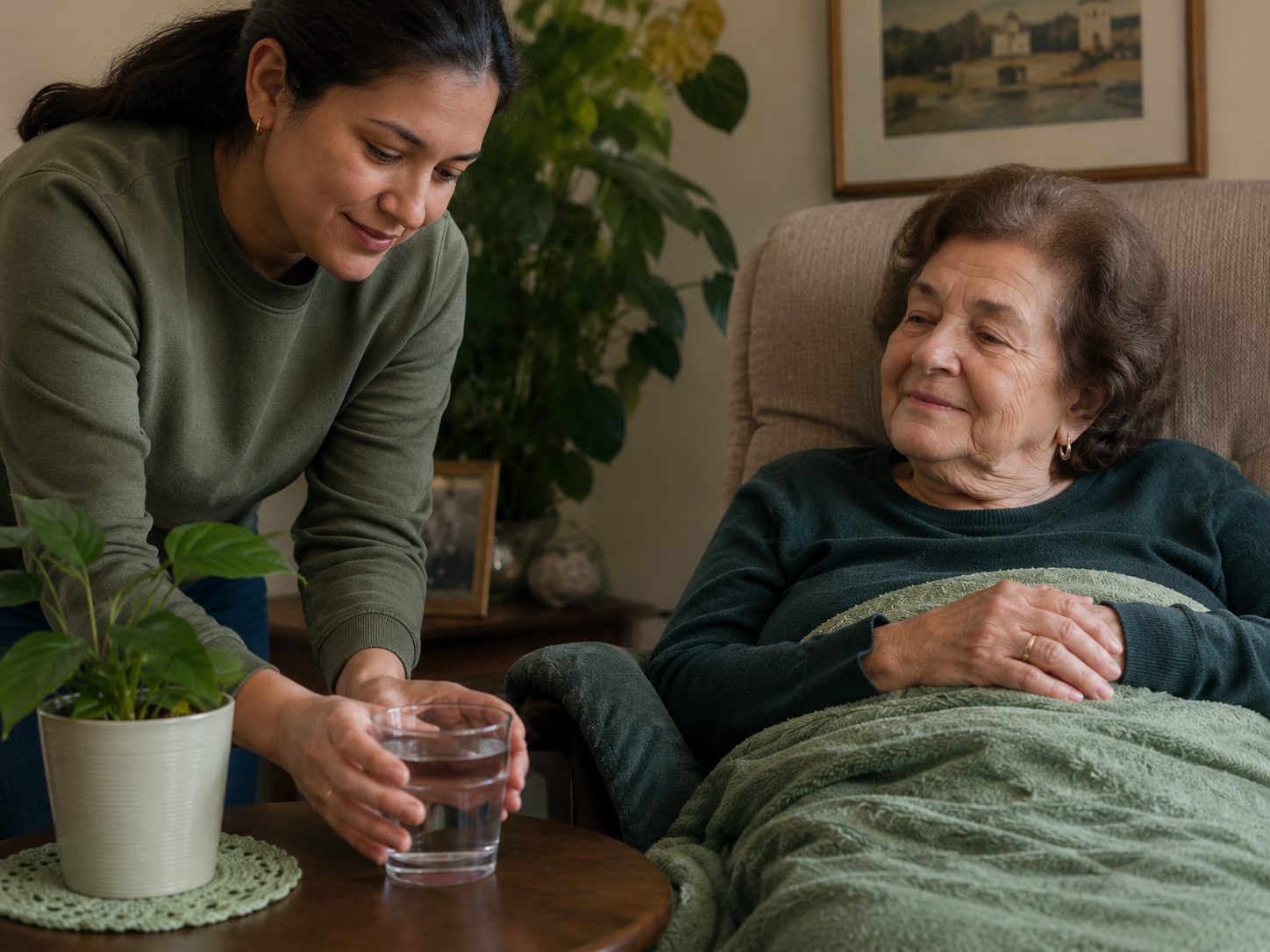
A More Supported Recovery Starts With Preparation
Post-op recovery can feel easier when the home is ready and the family has a clear plan.
You do not have to wait until everyone feels overwhelmed to ask for help. Preparing early gives your loved one a smoother transition home and gives your family the support needed to show up with patience, confidence, and care.
Recovery is not only about healing from surgery. It is also about feeling safe, respected, and supported along the way
Post-Op Care Support
Help your loved one recover with more comfort and less stress.
LiveWell provides thoughtful home care support for families preparing for recovery after surgery.
Frequently Asked Questions About Post-Op Care at Home
Here are a few common questions families ask when preparing for recovery after surgery.
What is post-op care at home? ⌄
Post-op care at home is non-medical support that helps someone recover after surgery. It may include help with daily routines, meals, light housekeeping, mobility support, transportation, companionship, and personal care assistance.
When should families plan post-op care? ⌄
It is best to plan support before your loved one comes home. This gives the family time to prepare the home, review discharge instructions, organize transportation, and arrange help for the first few days of recovery.
Can home care help after surgery? ⌄
Yes. Home care can help with everyday needs during recovery, such as preparing meals, keeping the home tidy, assisting with safe movement, providing companionship, and helping your loved one stay comfortable at home.
Is post-op home care medical care? ⌄
Not always. Non-medical home care supports daily living and comfort at home. Medical questions, wound concerns, medication changes, or symptoms should always be discussed with the doctor or surgical team.
What should families prepare before surgery? ⌄
Families should prepare a safe recovery area, remove trip hazards, place essentials within reach, plan meals, confirm follow-up appointments, review discharge instructions, and decide who will be available to help at home.